
Injury Treatment

Laceration & Wound Care

Cuts and lacerations are common injuries that may require immediate medical attention to prevent infection and ensure proper healing. At Memorial Health Urgent Care & Infusions, we provide prompt care for minor to moderate wounds in a safe and clean environment.

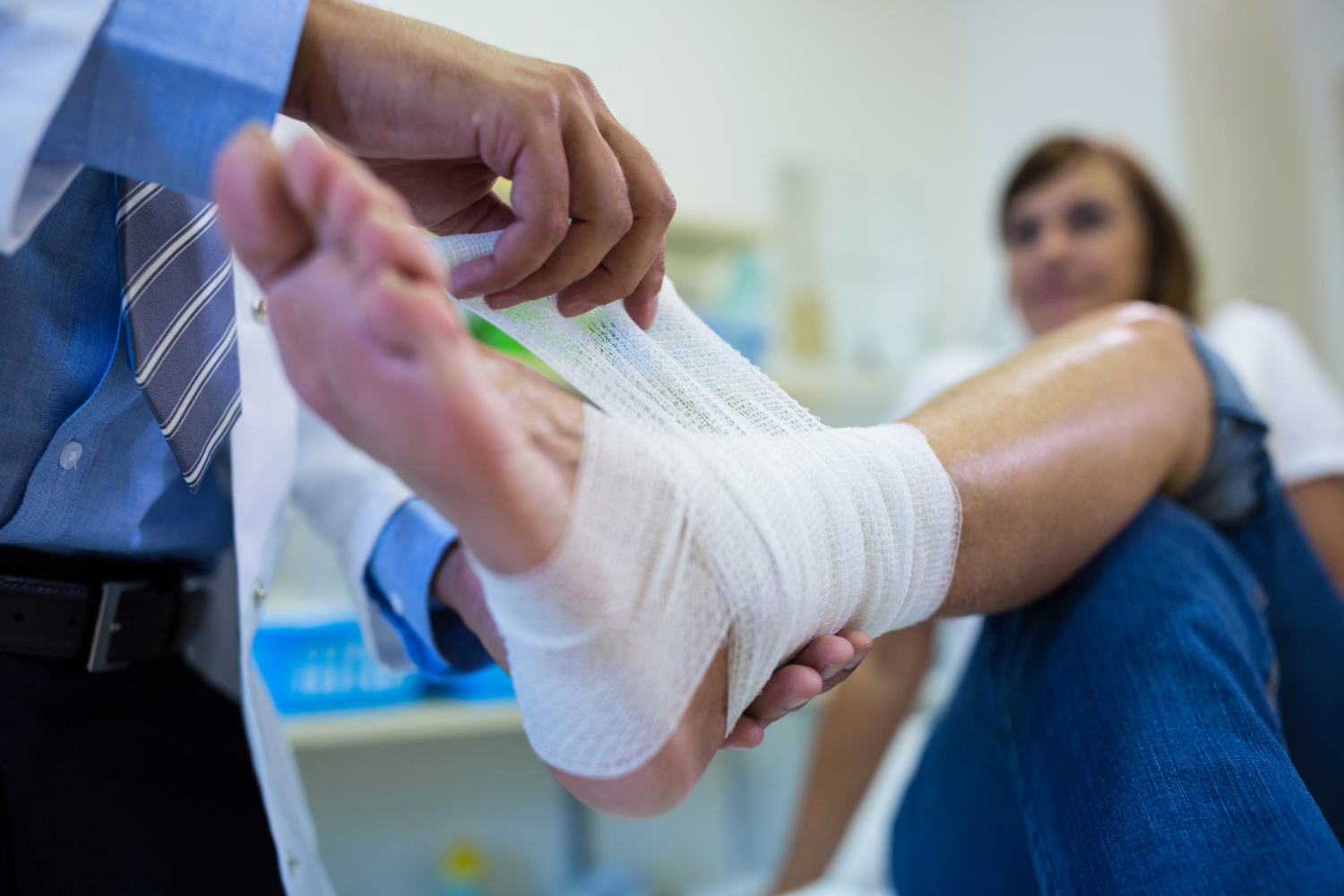
Our team carefully cleans the wound, controls bleeding, and uses appropriate closure methods such as stitches, staples, or medical adhesives when needed. We also apply proper dressings to protect the area and support faster recovery.

Early treatment helps reduce the risk of complications and minimizes scarring.

Injury Treatment

Injury treatment involves the proper care and management of wounds caused by cuts, tears, or breaks in the skin. The approach depends on how serious the injury is, including its depth, size, and severity.

Assess the Injury

Begin by evaluating the wound carefully. Check how deep and large the cut is and where it is located on the body. Observe whether the bleeding is minor or severe. This helps determine if immediate medical attention is required.

Control Bleeding & Clean the Wound

Apply gentle but firm pressure using a clean cloth or sterile gauze to stop the bleeding. Keep the injured area elevated if possible. Once bleeding is under control, rinse the wound thoroughly with clean water and gently clean around it. Avoid using strong substances unless advised by a healthcare professional.

Apply Antiseptic & Dress the Wound

After cleaning, apply an antibiotic ointment or antiseptic solution to reduce the risk of infection. Make sure your hands are clean before touching the wound or dressing. Cover the area with a sterile bandage or dressing and replace it daily, or sooner if it becomes wet or dirty.

When to Seek Medical Help

Seek professional medical care if the cut is deep, bleeding heavily, or not stopping. Immediate attention is necessary if you can see muscle, fat, or bone. Injuries caused by dirty or rusty objects may also require a tetanus booster.

Quick Care Tips
Proper wound care starts with simple but important steps. Always clean your hands before touching or treating a wound to reduce the risk of infection. Keep the affected area clean and dry to support proper healing, and avoid picking or disturbing the wound, as this can slow recovery and increase the chance of scarring.